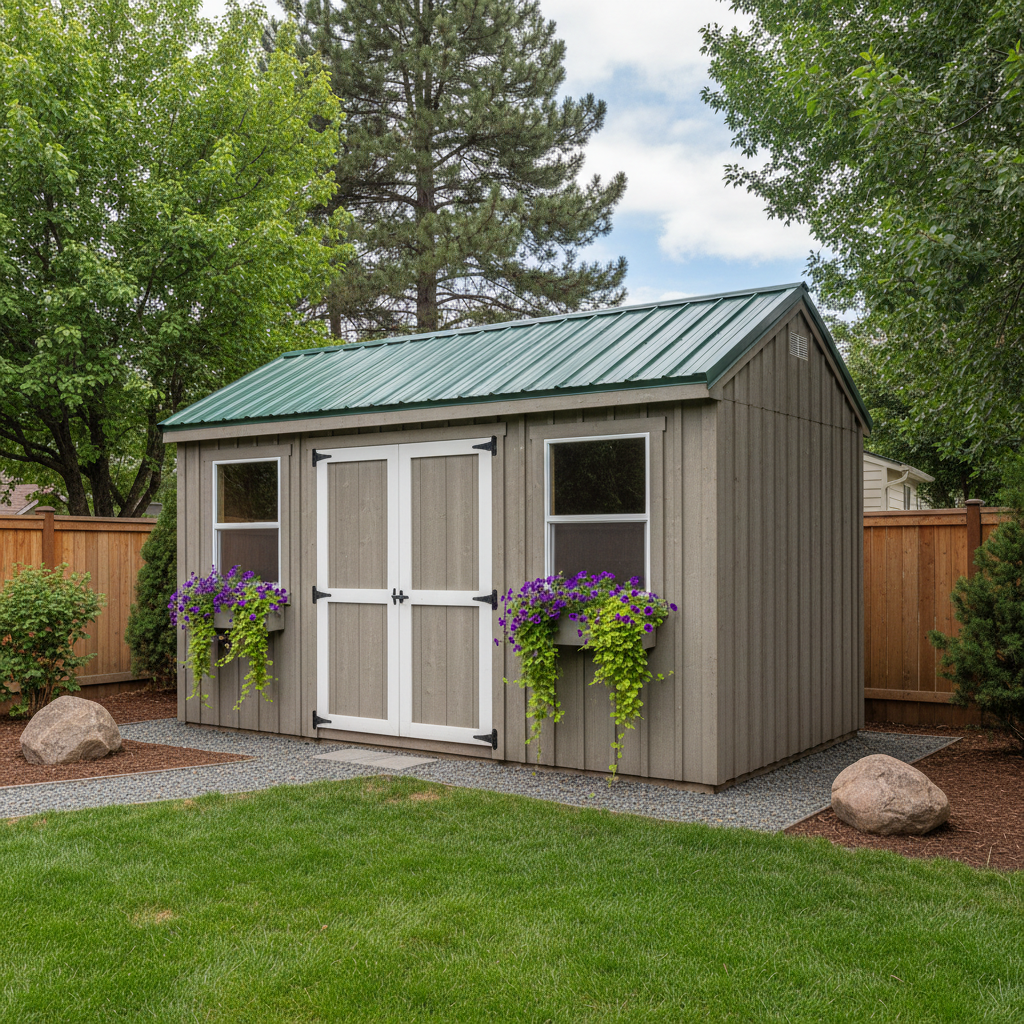
You put good money into that custom shed, right? Whether Spokane Custom Shed Builders built it for you or someone else did, you want it to last. And it can, for decades, if you treat it right. Think of it like your car – a little preventative care goes a long way. This isn't rocket science, but ignoring it can turn small issues into big headaches, especially with our Spokane weather.
Extending Your Shed's Lifespan: It's All About Protection
The biggest enemies of any outdoor structure around here are moisture, sun, and critters. You've got to protect against them from day one.
- Good Paint or Stain Job: This is your first line of defense. A quality exterior paint or stain, applied correctly, seals the wood and protects it from UV rays and rain. I'm talking about a good, thick coat, maybe two, on all exposed surfaces. Don't skimp here. Reapply every 5-7 years, or sooner if you see it fading or peeling.
- Roofing Matters: Your shed's roof is its umbrella. If it's asphalt shingles, make sure they're not curling, cracked, or missing. Metal roofs are tough, but even they can get dinged. Keep an eye on the flashing around any vents or skylights. A leaky roof is a shed killer.
- Foundation Check: We get some serious freeze-thaw cycles here in Spokane. If your shed isn't on a solid, level foundation, you're asking for trouble. Make sure the ground around the foundation slopes away from the shed so water doesn't pool. If you see any settling or shifting, get on it.
- Ventilation is Key: Especially in our humid summers and cold, damp winters, good airflow prevents condensation and mold inside. Make sure vents aren't blocked by anything, inside or out.
Regular Maintenance: Your Seasonal Checklist
You don't need to spend all weekend on this, but a few hours a couple times a year will save you a lot of grief. I usually tell folks to do a quick check in the spring and another in the fall.
- Spring Clean-Up: After the snow melts, give the exterior a good wash. Use a soft brush and a mild detergent to get rid of any grime or mildew. Check for loose nails or screws, especially on trim boards. Inspect your roof for any winter damage. Clear out gutters if you have them – those pine needles and leaves from our Spokane trees can really clog things up.
- Fall Prep: Before the real cold hits, do another roof inspection. Trim back any branches that are touching or overhanging the shed – they can scrape the roof, drop debris, and provide easy access for squirrels. Make sure the ground around the base is clear of leaves and debris, preventing moisture buildup. Check your door and window seals; replace any cracked caulk.
- Interior Check: Periodically, just open the door and take a sniff. Any musty odors? That's a sign of moisture. Look for signs of pests – spiderwebs are normal, but droppings or chewed wood are not. Keep the floor swept and organized to spot issues easily.
Warning Signs: Don't Ignore These Red Flags
Your shed will usually tell you when something's wrong. You just need to know what to look for.
- Peeling Paint or Discolored Wood: This means the protective layer is failing, or worse, water is getting in.
- Soft Spots or Rot: Press on the wood, especially near the base or around windows and doors. If it feels spongy, you've got rot. That's a big deal.
- Musty Smell or Visible Mold/Mildew: A sure sign of excessive moisture and poor ventilation.
- Sagging Roof or Floor: This indicates a structural problem. Don't put it off.
- Pest Evidence: Sawdust piles, chewed edges, or actual critters. Termites and carpenter ants are no joke here in the Pacific Northwest.
- Doors or Windows Sticking: Could be humidity, but it could also mean the shed is settling or shifting, putting pressure on the frame.
When to Call a Professional
Look, I'm a big believer in DIY, but there are times when you need to bring in the pros. If you see any of those major warning signs – significant rot, structural issues, persistent leaks, or a full-blown pest infestation – don't try to patch it yourself unless you really know what you're doing. A small problem can quickly become a huge, expensive rebuild if not addressed correctly. Sometimes, calling Spokane Custom Shed Builders or another reputable contractor is the smartest thing you can do. We can assess the damage, give you an honest opinion, and fix it right, saving you money and headaches in the long run.
Your custom shed is an investment. A little attention now will ensure it serves you well for many years to come.