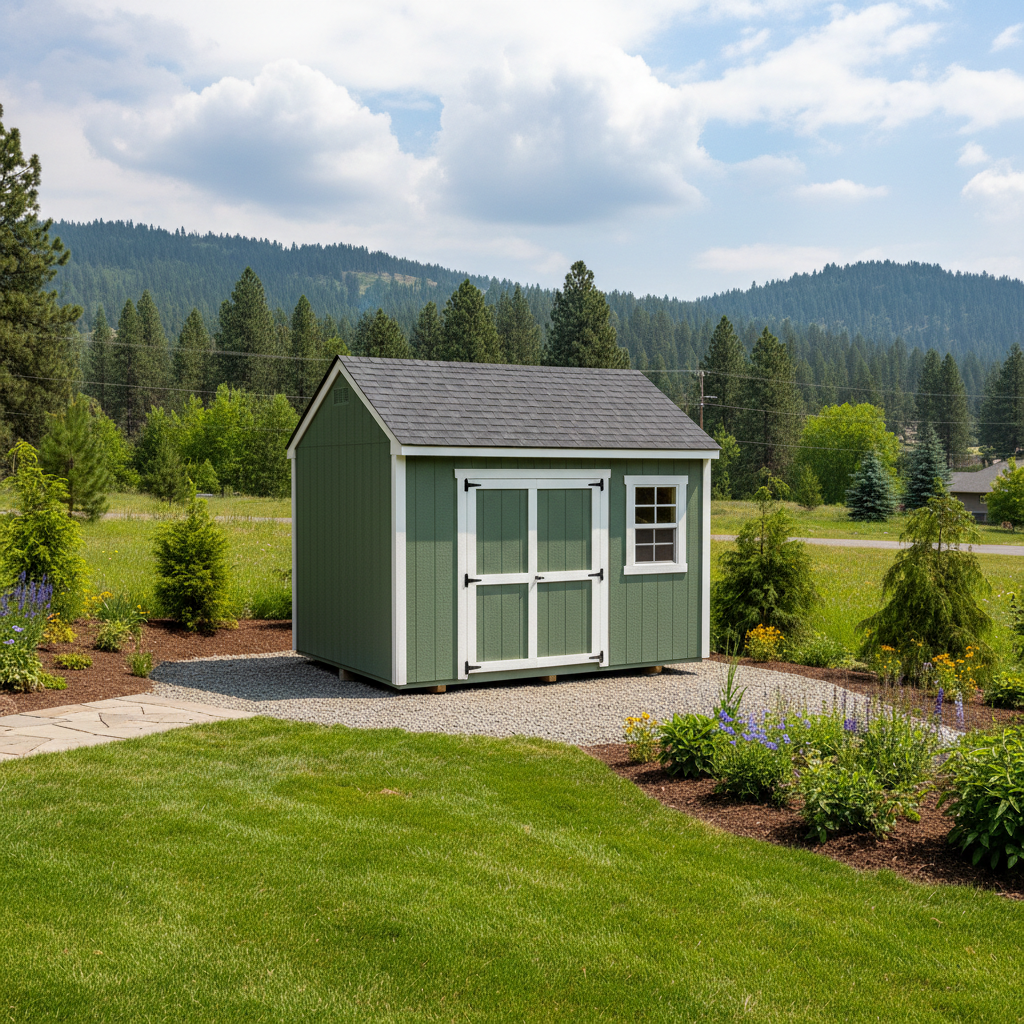
So, you've got yourself a brand-new shed, maybe even one we built for you at Spokane Custom Shed Builders. That's awesome. You've invested in extra space, a workshop, or just a place to stash your garden tools. Now, the real question is, how do you make sure that investment lasts? Because let's be real, a shed isn't a 'set it and forget it' kind of deal, especially not here in the Inland Northwest.
Extending Your Shed's Lifespan from Day One
When we talk about making a shed last, a lot of it starts with how it's installed and what you do right after. First off, a good foundation is everything. We always make sure your shed is sitting on a level, well-drained base. If it's not, water's going to pool, and that's just asking for trouble with rot and settling. You want that water moving away from the base, not underneath it.
Another big one is proper ventilation. Especially with our damp springs and cold, snowy winters, you're going to get condensation inside if air can't move. Make sure any vents aren't blocked, inside or out. This keeps the air circulating, which helps prevent mold, mildew, and that musty smell that'll eventually start rotting your wood from the inside out.
And don't forget the initial sealing. If your shed isn't already treated, get a good quality exterior paint or stain on it as soon as the weather allows. This is your first line of defense against UV rays and moisture. Pay extra attention to the trim, corners, and around any windows or doors. Those are common spots for water to sneak in.
Regular Maintenance: Your Annual Checklist
You don't need to spend every weekend fussing over your shed, but a little regular attention goes a long way. I usually tell folks to do a quick check-up twice a year – once in the spring after the snow melts, and again in the fall before the real cold hits.
- Roof Inspection: Look for loose shingles, cracks, or any signs of wear. Heavy snow loads can be tough on roofs, and a small crack can turn into a big leak fast. Clear off any debris, especially pine needles if you've got Ponderosas nearby.
- Exterior Walls and Trim: Check for peeling paint, cracks in the siding, or any spots where wood might be exposed. Re-caulk around windows and doors if you see gaps. Keep an eye out for insect activity, too. Carpenter ants love damp wood.
- Door and Window Hardware: Lubricate hinges and latches. Make sure doors close tightly and windows seal properly. You don't want drafts or water getting in.
- Foundation and Drainage: Is water still draining away from the base? Clear out any leaves or dirt that might be building up around the perimeter. Trim back any bushes or plants that are growing too close to the shed walls; they hold moisture against the siding.
- Interior Check: Look for any signs of water intrusion, mold, or pests. A small leak caught early is easy to fix.
Warning Signs You Can't Ignore
Sometimes, things go wrong even with good maintenance. Here are some red flags that mean you need to act:
- Soft or Spongy Wood: If you poke at a piece of wood, especially near the base or around windows, and it feels soft, that's rot. It needs addressing immediately before it spreads.
- Persistent Musty Smell: This usually means you've got mold or mildew growing somewhere, probably due to a moisture issue. Find the source.
- Sagging Roof or Floor: This is a structural problem. Don't ignore it. It could be a sign of serious rot or a foundation issue.
- Visible Water Stains Inside: Obvious, right? But sometimes people just throw a bucket under it. Find the leak and fix it.
- Pest Infestations: Sawdust piles, tunnels in the wood, or lots of bugs mean you've got uninvited guests who are actively damaging your shed.
When to Call a Pro
Look, I'm all for DIY, but there are times when it's just smarter to call someone with experience. If you see significant structural damage – like a sagging roof or floor, major rot in weight-bearing timbers, or a foundation that's clearly shifted – that's when you call us. Trying to fix a major structural issue yourself without the right knowledge or tools can make it worse, or even dangerous.
If you've got a persistent leak you can't track down, or you're dealing with a widespread pest problem that your usual sprays aren't touching, a professional can diagnose and fix it right. We've seen it all, from sheds sinking into the clay soil in the South Hill to roofs caving in from heavy snow years. Sometimes, a little expert help saves you a lot of headache and money in the long run. Don't hesitate to reach out if you're in over your head. We're here to help keep your shed standing strong.