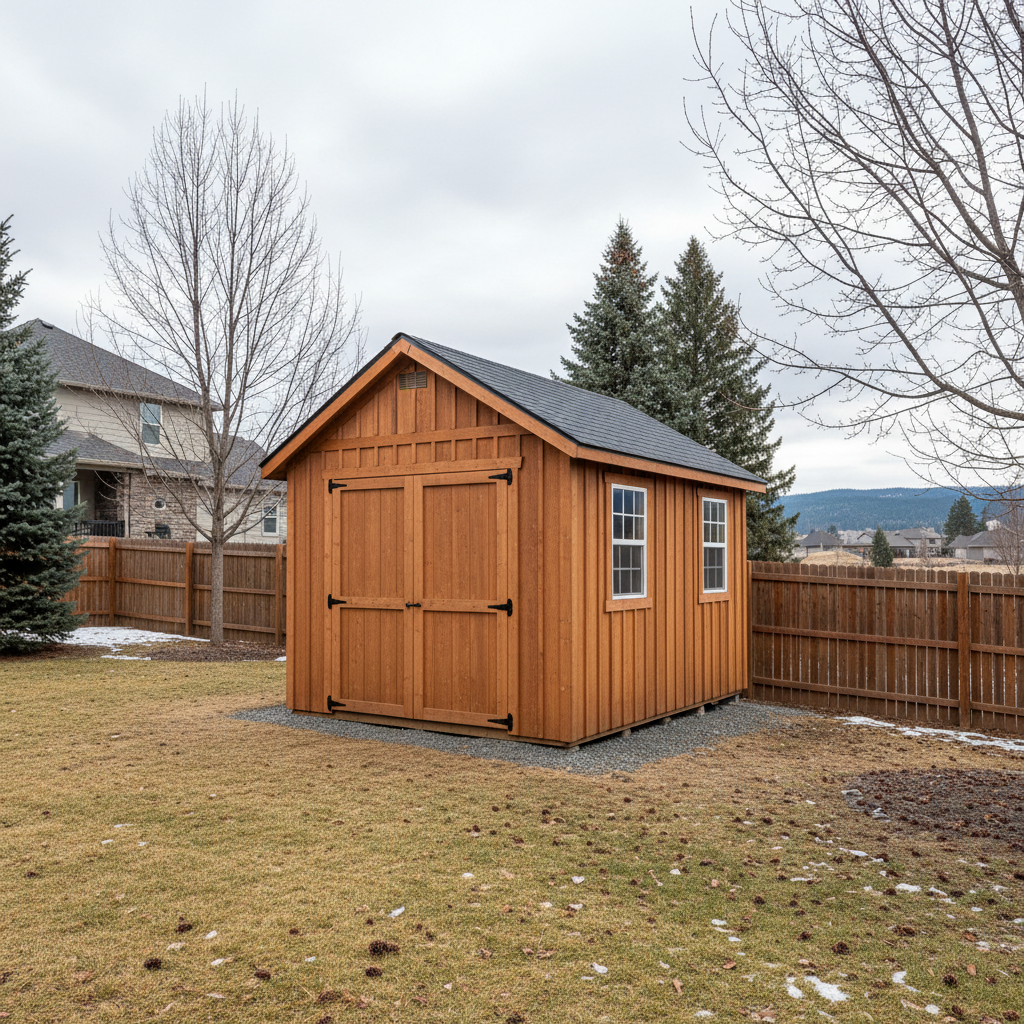
When's the best time to build a shed in Spokane, and how do you keep it from getting hammered by our crazy weather? It's a question I get a lot, and for good reason. Our seasons here aren't just mild changes; they're full-on shifts that can really impact an outdoor structure if you're not thinking ahead.
Scheduling Your Shed Build: What Works Best
Look, you can build a shed any time of year, but some seasons are definitely easier on everyone involved. For us, the sweet spot is usually late spring through early fall. Think May, June, July, August, and September. Why then?
Drier Conditions: We get a lot of rain and snow, especially in the colder months. Trying to pour a concrete slab or even just keep lumber dry during a November downpour is a pain. Dry ground means less mud, easier access, and better conditions for things like paint and sealants to cure properly.
Milder Temps: Extreme cold makes working harder, materials more brittle, and things like adhesives less effective. Extreme heat can also be tough, but our Spokane summers are generally pretty pleasant for outdoor work, especially compared to, say, Arizona.
Ground Conditions: If you're planning a concrete foundation, you absolutely don't want frozen ground. Digging in frozen dirt is a nightmare, and you risk issues with settling later on. Spring and summer give us thawed, workable soil.
That said, if you're ready in October or even early November, we can often make it work. We just have to be more mindful of the forecast and plan around those inevitable wet stretches. Winter builds are possible, but they usually come with more challenges and potential delays due to snow and freezing temperatures. It's not impossible, but it's not ideal for efficiency or material integrity.
Spokane Weather's Impact on Your Shed
Our local climate isn't just about when you build; it's about what your shed lives through every year. We've got hot, dry summers, and then we switch to cold, wet, and snowy winters. That's a lot of expansion and contraction for any material.
Moisture: This is the big one. Rain, snow, ice, and even just high humidity can lead to rot, mildew, and rust if your shed isn't properly protected. We're talking about everything from the foundation to the roof.
Temperature Swings: Ever notice how your deck boards warp? That's temperature doing its thing. Wood expands when it's warm and contracts when it's cold. Over time, this can stress fasteners, crack paint, and even create small gaps. Our big temperature swings from summer highs to winter lows mean your shed is constantly working.
UV Rays: Even though we get plenty of cloudy days, our summer sun can be intense. UV radiation breaks down paint, stains, and even some roofing materials over time. Ever see a faded shed that looks like it's been out in the sun too long? That's UV damage.
Wind: While not as common as some coastal areas, we do get some strong winds, especially during those spring and fall storms. A well-built shed from Spokane Custom Shed Builders is designed to handle these, but it's something to consider for anchoring and roof integrity.
Year-Round Protection for Your Investment
So, knowing all that, what can you do to keep your shed looking good and functioning well for years? A little proactive work goes a long way.
First, make sure you've got good drainage around your shed. You don't want water pooling near the foundation. This is especially true if you're in a lower-lying area or have clay-heavy soil, which is common in parts of Spokane. Keep gutters clean and direct downspouts away from the base. A simple splash block can save you a lot of headaches.
Check your roof regularly. After a big windstorm or heavy snow, just take a look. Are shingles lifting? Any signs of leaks? Catching a small problem early can prevent a huge repair later. It's a lot easier to replace a couple of shingles than to deal with a rotted roof deck.
Keep an eye on the paint or stain. If you see it starting to peel or fade, especially on the south-facing side, it's time for a touch-up or a new coat. That protective layer isn't just for looks; it's your shed's first line of defense against moisture and UV damage. Don't let it go too long.
Finally, keep the area around your shed clear. Trim back bushes and trees so they're not rubbing against the siding or dropping debris on the roof. Good airflow helps prevent moisture buildup and keeps pests from setting up shop.
Taking these steps means your shed isn't just a place to store stuff; it's a durable, long-lasting part of your property, ready to handle whatever Spokane's weather throws at it.